
 (1).png)
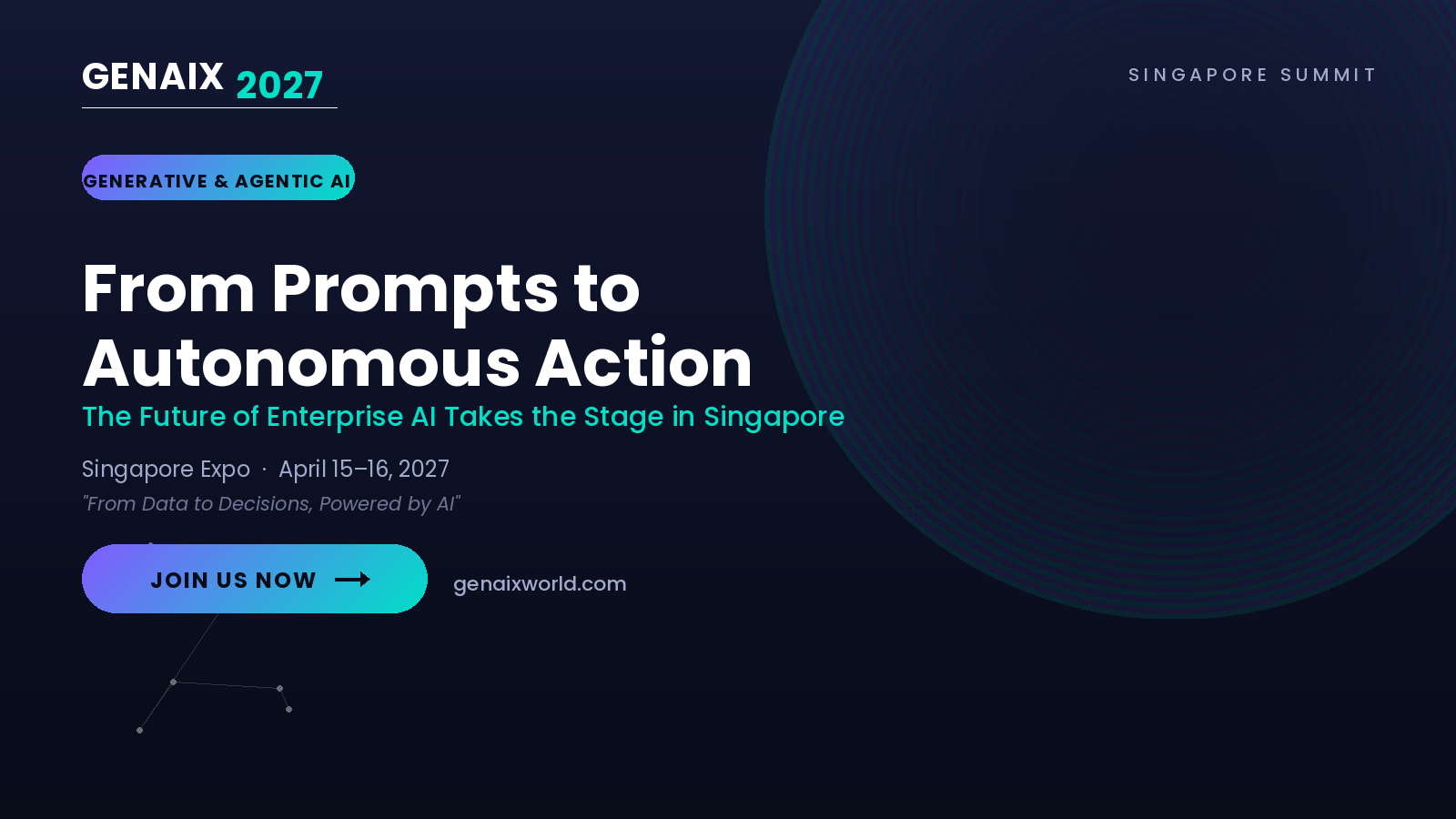
For a while, "AI" meant a text box. You typed something in, a model generated something back, and the magic — genuinely impressive at first — lived entirely inside that exchange. That era isn't over, exactly, but it's no longer the interesting part of the story. The interesting part is what happens when AI stops waiting for your next prompt and starts acting on its own. That shift is the entire reason GENAIX 2027 exists as an Agentic AI Summit, not just another generative AI showcase.
Here's the distinction that matters, and it's worth being precise about it: a generative model answers. An agentic system acts. It plans a sequence of steps, calls tools, makes decisions along the way, and completes a task with minimal human babysitting. That's not a small technical upgrade — it's a fundamentally different relationship between a business and its software, and it comes with a fundamentally different set of risks, governance questions, and architecture problems.
Why This Deserves Its Own Summit, Not a Panel
Most conferences treat agentic AI as a single track buried inside a broader generative AI Summit agenda — one panel among twenty, squeezed between a keynote on prompt engineering and a vendor demo. GENAIX 2027 takes a different approach, built around the premise that multi-agent systems, autonomous orchestration, and machine-to-machine decision-making deserve genuine architectural depth, not a fifteen-minute drive-by.
Sessions like "Building the Agentic Enterprise — Multi-Agent Systems in Production" go directly at the hard part: how do you actually orchestrate multiple AI agents working together inside a real enterprise stack, without the whole system becoming an unpredictable black box? "AI Safety, Trust & Governance in the Agentic Era" tackles the question every board is quietly nervous about — what happens when an autonomous system makes a costly mistake, and who's accountable when nobody explicitly approved the action that caused it?
The Governance Question Nobody Can Skip Anymore
Autonomy without governance isn't innovation, it's exposure. That's why "Sovereign AI — Nations Building Their Own Intelligence" sits on the same agenda as deeply technical sessions on multi-agent orchestration. Singapore's position as a regulatory bridge between Western AI governance models and the rest of Asia-Pacific makes it one of the only places where this conversation can happen with both technical rigor and policy seriousness in the same room — which is exactly what a serious AI event in Singapore should offer, and frankly, what most don't.
Who Needs to Be in This Room
If your organization is still purely experimenting with generative tools, this may feel like it's ahead of where you are — and that's fine, there's a track for that too. But if you're already asking questions like "what happens when our AI systems start making decisions we didn't explicitly programme," or "how do we audit an agent's decision trail after the fact," this Agentic AI Summit is precisely the room built for you. GENAIX brings together 150–200 senior technologists, policymakers, and enterprise leaders specifically to work through these questions together, not in isolation.
What's Actually at Stake
The organizations that get agentic AI right over the next two years will operate at a genuinely different speed than their competitors. The ones that get it wrong will learn expensive lessons about autonomy, accountability, and trust in public view. This AI Summit Singapore exists to make sure more organizations land in the first category.
Explore the full agenda, speaker lineup, and registration details at https://genaixworld.com/, and see why the machines that act — not just the ones that answer — are where the real conversation is heading next.
.png)
.png)